
Applied improv and teamwork with an award-winning startup

5-8 minute read

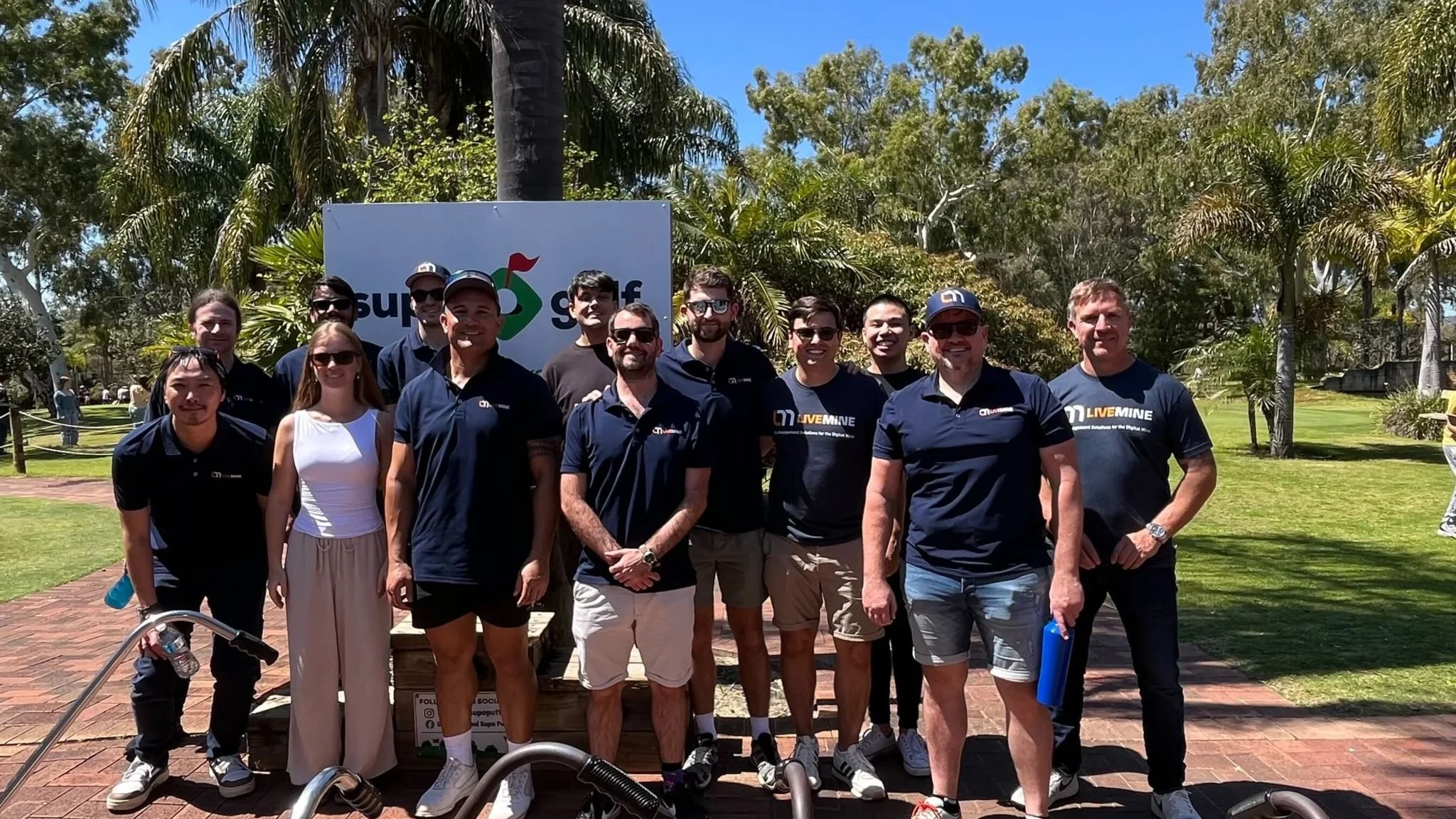
LiveMine is a super cool Perth-based startup which develops software to help mining companies manage their data. General Manager Suren Selvarajah shows how a leaders’ comfort with ambiguity can impact a whole organisation. 2025 was LiveMine’s most profitable year ever and it won Small Business of the Year at the WA Business Awards.
Suren Selvarajah was the first hire for LiveMine, and, like any early growth startup, he was the jack-of-all-trades generalist — product development, on-site training, and sales. As the company grew, he transitioned from generalist to General Manager and found himself leading a cross-functional team of ex-mining employees and software engineers.
Developing a culture that could hold this complex work has been his focus for the past few years. He’s drawn on some unusual sources of inspiration in that work – Esports, Applied Improvisation, and a great deal of self-reflection.
Solid Foundations
Start-ups in Perth are rare. Whenever I come across a start-up, I find myself brimming with an odd kind of pride: “Interesting things happen here too!” Suren’s team felt the same — there was a clear passion for the work. He explains:
“Across the board, people were very passionate. People here don't tend to look at this as a job. They are committed to the cause. They want others to succeed.”
This echoes something I see in my work all the time: The best way to get buy-in from intelligent people is giving them an interesting challenge and an environment where people have each other’s backs.
However, Suren saw that more was possible with his team. There was some friction across functions. The young, upstart software engineers had a different mindset to the process-orientated, risk-conscious mining engineers. This was causing delays, rework, and missed client expectations. Suren knew his team needed leadership.
Leading Smart Teams
As an early-stage start-up, LiveMine didn’t have cash to burn on complex team development programs. Suren recognised that if he wanted the team to develop, he had to start with how he showed up as a team leader. For smaller teams where the leader has a lot of autonomy, focusing on the leader is often a powerful lever.
Suren’s central challenge was culture. He wanted the team to feel connected to each other and the bigger picture:
“I found it hard to align people; to get them to map what they are doing in service of the mission. I found it hard to communicate this broader picture and how they fit in. At the same time, I’ve worked hard to get my fingers out of all the pies, and I need to be careful not to stick them back in.”
This is a classic smart-people management problem. If you’re too directive, you constrain autonomy and get pushback. If you’re too laid back, then people can lose sight of the work they need to do. Suren needed to learn how to lead in complexity and ambiguity while still keeping an eye on the mission.
Ditch the MBA. Try online gaming.
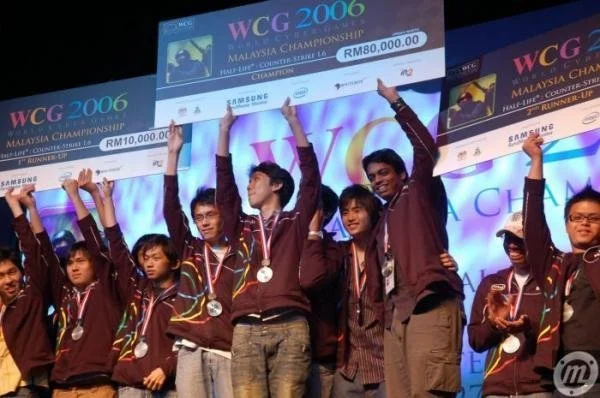
This wasn’t Suren’s first experience being a part of a team dealing with complex, volatile situations. In the past, he was part of a competitive online video gaming team Team Hybrid. If you’re old (hah!) and you’re a fan of Counter-Strike you’ve probably heard of them. This was serious stuff: Suren’s team flew around the world to compete in Counter-Strike tournaments. They had a professional coach. They competed for real money and played for thousands of fans.
Team Hybrid provided a model for high-performance that he wanted to emulate at LiveMine:
“We were all aligned on the same goal, put in the reps, and went through a lot of failure before seeing any success. We had to get comfortable calling each other out and fixing things together when something wasn’t good enough but doing it in a way that kept the relationship intact.”
Well, signing your C-suite up for a competitive Esports tournament might not be the most practical way to build their ability to lead in complexity. However, Suren’s experience highlights that leaders learn best from real experience, not hollow theory. What he needed now was to be able to integrate his insights from Esports into how he turned up at work.
Thankfully, he didn’t decide to go and do an MBA.
Finding Applied Improvisation
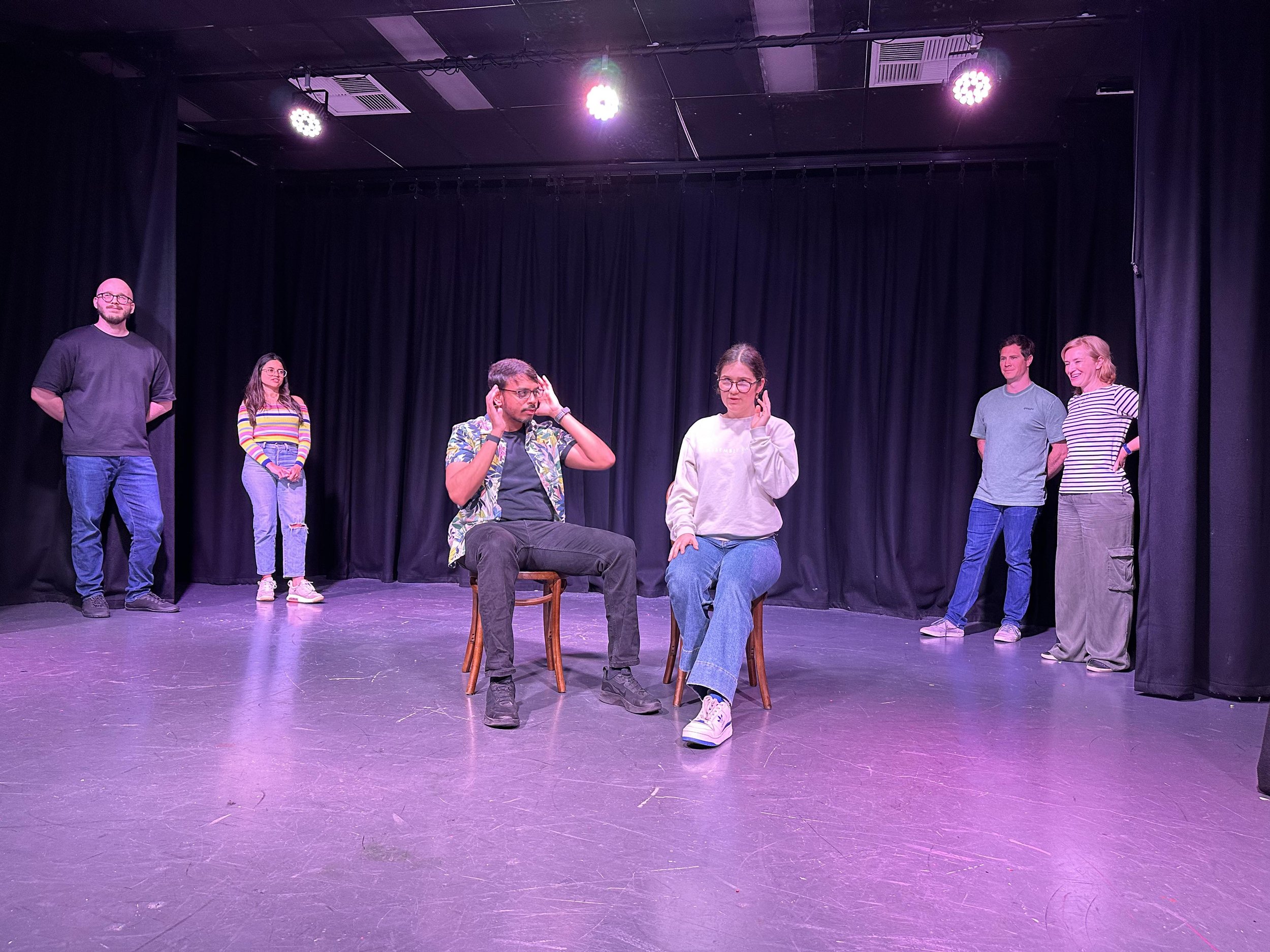
Suren and I met at an Applied Improvisation program I ran in 2023. Applied Improvisation uses practical exercises to help people develop the skills and mindsets needed to navigate complex, uncertain situations with other people.
When he started with improv, he wasn’t even thinking about work. He came along because he wanted to be more mindful and present in his personal life:
“I remember my judgmental brain saying: ‘Oh, this is kind of silly.’ I think I had forgotten how to play, and I was trying to do things the “right” way. Eventually, I decided to just go with it.”
Suren’s a really self-aware guy, which is one of the reasons he’s so fab to work with. Resistance to something new and challenging is normal, but Suren was able to recognise it as an opportunity for growth.
Working Together
Suren & I worked together over about a year with my Applied Improv company, Only the Human. Leaders don’t need more information: They need environments where they can be challenged and put skills into practice. With the right coaching, guidance, and support, leaders can change how they show up at work.
Applied Improvisation had a huge impact on Suren’s ability to embrace the unknown:
“It’s like a cold plunge. You build that skill of just stepping into the unknown and just being fine with it. I would say to myself: ‘This is normal. This is normal.’”
The experience also changed how Suren relates to others. He’s always been self-aware: when we spoke, he kept stepping back and articulating his thought processes. What Applied Improvisation provided was a free context to explore those thought processes in a social environment:
“I remember in one exercise, my first instinct was to shut my partner down and make things sensible. I noticed that my brain defaulted to wanting things to be ‘logical’ or ‘correct’ — and then I started noticing I do that all the time!”
Esports are about winning and finding the right strategy. The real world is more complex and experimental. Unpacking this with Suren was intensive work — he attended three eight-week courses in his first year with me. The impacts were significant:
“It changed my life. I’ve learned to trust myself and other people. I’ve learned there is absolutely nothing wrong with making it up as you go.”
Heck yeah. So, let’s see: What changed for LiveMine?
Change from the Inside-Out
Suren knew he wanted to do things differently with his team, and by showing up differently, his team started to act differently too.
“I’d updated my operating system to be more comfortable with the unknown. This has helped me trust the team, and so they’re able to be a lot more autonomous now. It’s not easy, and of course there are still problems they have to surface… but we trust that we can figure it out.”
There have been real practical impacts too. LiveMine now interviews more effectively for culture fit. Suren uses roleplays, simulations, and semi-structured interviews rather than scripted questions or psychometrics. They’ve recently launched a whole new product in a whole new niche. 2025 was their most profitable year yet, and they won the Small Business of the Year at the WA Business Awards.
Suren’s ability to tolerate ambiguity and trust his team enabled LiveMine to accomplish a crazy amount in 2025 — all without Suren sticking his fingers in all the pies.
“So, I feel confident now, right? I’m confident I could go away for a whole month unannounced and things would run fine. Nothing would catch on fire. And the things that are important will surface and I'll come back and deal with them. That is huge.”

Ready to unboring training and unlock your team?
Training for Teams
If you want a different outcome, you have to be prepared to do things differently. Unboring your team development and discover the collective intelligence that already exists in your team.
