
Expanding comfort zones with Curtin University’s Student Success team
Lorem ipsum dolor sit amet, consectetur adipiscing elit, sed do eiusmod tempor incididunt ut labore et dolore magna aliqua.
The Curtin Student Success team provides career education and support, volunteering opportunities, and other services to Curtin University’s 65,000 students. With rising cost pressures and complex student needs, the team realised they needed a more human, innovative and adaptable way of working together.
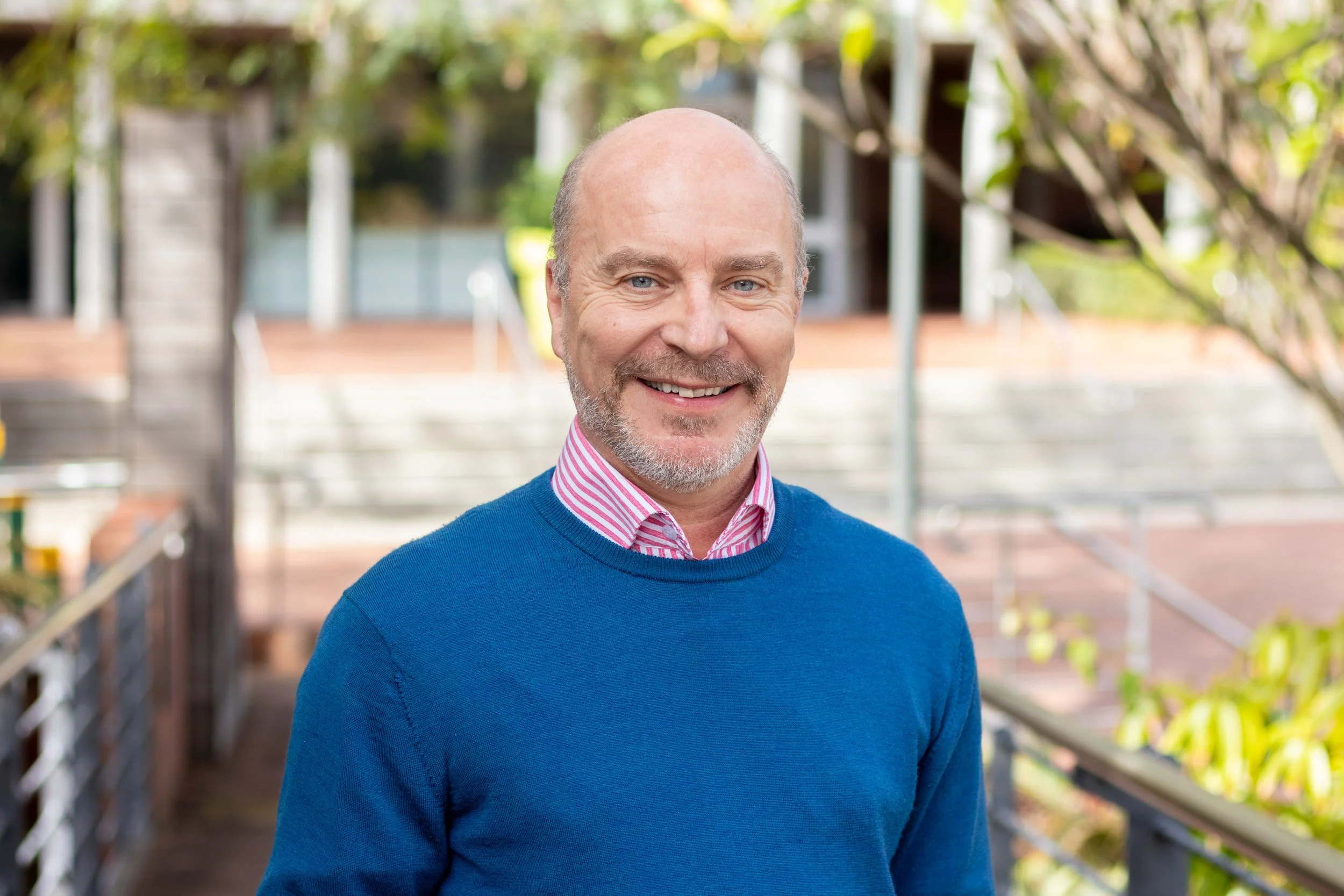
Dr. Alan McAlpine, Deputy Director of Student Success, took over a team that most of us would love to be a part of. Long tenured, committed employees. Alan could tell immediately that they were “clearly dedicated to doing good work for students,” and “comfortable within their expertise.” Best of all? “No problem children.”
With that solid foundation, Alan’s job was to get his team to the next level.
Setting a vision
Alan recognised the complex challenges facing the University sector. High-touch individualised support, like 1:1 career counselling, wasn’t scalable. An increasingly diverse student body meant that frontline staff needed to be more culturally aware, flexible, and adaptable. Students also needed a more cohesive, connected experience that crossed departmental functions — students don’t care about operational silos.
Alan’s team were dedicated and up for the job. They knew they needed to collaborate better to meet this complexity. This meant three things: Firstly, setting a vision for what the area as a whole should be doing. Secondly, reorganising the team so that the reporting lines made more sense. Finally, the team needed relationships with players from other teams, particularly data analysis, to enable real time actions on what data was telling them.
Stuck in the comfort zone
Alan set the vision, reorganised the team and got the external help he needed. However, the collaboration he wanted needed some work:
“The team had a strong vision and a clear direction, however, I wasn’t seeing them collaborate across teams as much as I would have liked. They weren’t stretching out of their comfort zones, thinking about what they can do together, and pushing each other’s boundaries.”
Everyone was standing on the edge of the pool, but nobody was taking a dip.
Alan’s work getting the vision and the organisation chart right was critical. However, organisation charts specify boundaries, and cross-functional collaboration means Alan’s team needed to cross boundaries. They needed to understand the rules, and in doing so when they could bend or break them. They needed the clarity provided by the org chart, but also the courage to step outside it to make things happen.
Vision and Direction
Alan’s team had a new vision of what they needed to do, but not how they needed to work together. As a leader, Alan tried to close the gap by modelling different ways of working:
“Prior to me arriving, the team was used to a directive leadership style. It was as if they were waiting for commands: asking for permission to do X, Y, and Z. Then I arrived. Suddenly, I’m telling them: ‘Make your own decisions. Try it out. See what works.’
I was transparent about my style and why I work in this way. I want them to be more autonomous in their thinking while also knowing that I have their back.”
A challenge for leaders who value autonomy is that, by definition, you can’t force your team to take independent action and collaborate. Modelling leadership is a great first step. However, for many team members, they’ve spent their whole life following the rulebook, and acting without explicit permission feels risky.
The challenge for Alan was to demonstrate to his team that self-directed, experimental and collaborative ways of working aren’t something to be feared. It’s not just a business imperative on a slide-deck. It’s a more fun, delightful and human way to work.
Alan, meet Aden
Alan reached out to me because he knew his team needed to experience a new approach to working together:
“Sitting in a classroom with somebody talking to us wouldn’t work for my team. It would only reinforce the problem I was trying to solve. I needed something interactive, discussion-based, and enjoyable (fun) that would help my team get out of their comfort zone.”
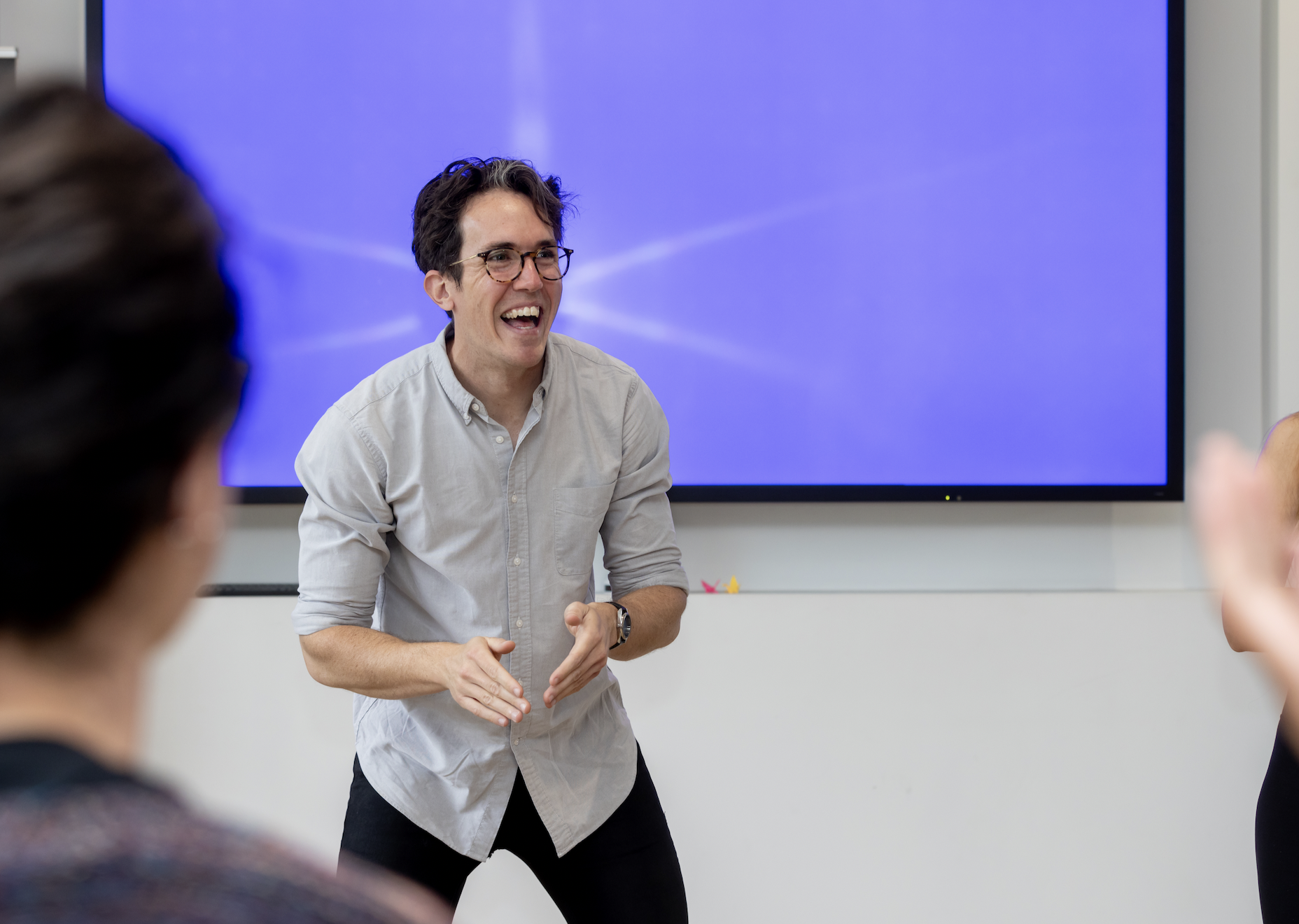
We landed on a half-day workshop before a team planning day. His Senior Leadership Team (SLT), plus a data analyst who works closely with them attended. Our focus was on building stronger collaborations by leveraging the close, connected relationships already within the team. Given my unusual background and approach, resistance wasn’t just expected. It was a part of the process.
“I knew that we would have had some individuals that would be a bit resistant. However, I thought your approach would actually break down that resistance. The feedback definitely demonstrated that. The ones that I thought would be cynical were actually like: ‘Oh, it was actually engaging, and I actually learned from it.’”
I recognised that Alan’s team needed not just to talk about collaboration, but to actually experience it. When a team experiences a concept directly, rather than through a presentation, it gives them an opportunity to reflect and consider what it might mean for how they work. Alan said this was key to the workshop having an impact, rather than it only being a fun afternoon:
“There were activities and reflection. We related what we were doing back to workplace behaviours. That’s where the richness in the conversation came out.”
One simple exercise about failure led to a robust conversation about cultural differences. Another exercise about trust helped the team realise that as far as they had come, they still had further to go. Alan’s team brought their full, big-brain intelligence into the room, which is essential for experiential learning to have an impact.
Unexpected Collaborations
All workshop attendees agreed that the workshop helped them connect and collaborate, and that insights from the workshop would positively impact their day-to-day work. One team member shared the feedback: “Thanks for your time and energy, I was a bit of a sceptic coming in but was really pleasantly surprised and gained a lot from it.”
That’s feedback you can take to a tattoo parlour.
After the workshop, Alan saw immediate changes.
“My SLT started connecting with one another outside of our fortnightly meetings, having meetings together. They would reach out to one another and collaborate on small projects. That’s the funny bit: Lots of good things happened, but I can’t tell you the specifics, because for once I wasn’t a part of it!”
Over the longer term, the biggest win was around a data dashboard project. I gave a little squeal of delight when Alan shared this:
“We worked for a year on building data dashboards so that we could visibly see how we were going against our KPIs in our operational plan. This resulted from them working more closely together. They brought in technical expertise. It was brought to me not to ask for permission, but as: ‘This is what we’re doing.’”
This is a perfect example of how self-managing teams work best. Leaders set the boundaries and the vision, but the team executes autonomously within that frame. No running things up the ladder asking for permission. No escalation due to indecision. Ideas and problems are solved within the team, rather than by leadership.
These changes weren’t created by a half-day workshop. Alan’s leadership style, the team’s commitment to the vision, their existing cohesion, and a willingness to do things differently all made this work possible.
A Bolder Team, Bigger Challenges
Alan and I kept talking after the workshop. We found our conversations gravitating towards Artificial Intelligence (how 2025 of us!). However, we recognised that AI is sometimes just the pointy end of a bigger issue: How do we prepare our teams for the unknown? What does it mean to plan for the year when we don’t know what’s coming next quarter?
“The big thing that’s impacting the university, workplaces and society in general, is AI. How do we walk into that space when we don’t know what it’s going to look like? What is that unknown going to do for us?”
Alan intuited that the leadership challenge of 2025 isn’t AI. It’s what the AI-era speed does to people. I cracked my knuckles. Because Alan’s team was more connected and cohesive, and because they trusted me, I knew they were ready to be challenged further.
Our second workshop was a full-day experience blending traditional facilitation and Applied Improvisation (the other AI). The brief from Alan was simply to challenge the team. He didn’t feel I had challenged them enough during the first workshop.
I designed a workshop which explored complexity and adaptability. The workshop ended with practical takeaways: Team-wide experiments as a tool to supplement traditional planning. Alan reflected:
“This workshop really pushed some of them. It helped us understand how we knit together. We learned about how to deal with the unknown, because on the day, you threw us into the unknown and we dealt with it as a group.”

The Impact on Alan
Alan recently finished up his contract and is taking on a leadership role at the University of Wollongong. Honestly, I’m not happy about it. It’s a good move for Alan, though, and with a more self-directed team, he’s leaving with confidence that they’ll be able to handle whatever comes their way.
A recruiter, as part of a rather rigorous interview process, spoke to members of Alan’s team. Hearing this feedback from the recruiter helped Alan realise the transformation he’d led:
“I’ve spoken to your team about how you work on the ground, and they said then you give them autonomy, you allow them to make their own decisions, you allow them to experiment. You let them try things out. They like that about you.”
Alan’s team hasn’t just learned to be more autonomous. They’ve developed a taste for it. The team, initially reluctant, now embrace Alan’s leadership approach. As for Alan, he’s found the sweet spot of leading more self-directed teams:
“I’ve recognised when I do need to lead from the front and say: ‘This is where we’re going.’ From there, the team has a clear vision, knows what needs to happen, and has the trust and courage to work together, they can solve issues and problems themselves. This allows me, as the leader, to focus on the work that matters most.”
Changing how we change culture in healthcare
Lorem ipsum dolor sit amet, consectetur adipiscing elit, sed do eiusmod tempor incididunt ut labore et dolore magna aliqua.
The West Australian South Metropolitan Health Service (SMHS) delivers care to more than 648,000 people across the southern half of Perth, through a network of hospitals that includes Fiona Stanley, Fremantle, Rockingham General and Peel Health Campus. With a workforce of around 16,000 under enormous strain, culture change requires a bit of savviness.
Paulette Harraway and Kathryn (Kate) Langdale share an interest in the question: “How do we care for those who care?” The quality-of-care patients receive is a direct result of the how our healthcare workers are going. Unfortunately, it’s bloody hard to be a healthcare worker right now.
SMHS is like many healthcare environments at the moment: Rapid recruitment, workforce turnover, and the dizziness of constant change. This makes it hard to speak up, which makes it hard to change culture. Heck, our current healthcare environment often makes not speaking up the smart choice.
Paulette and Kate knew they had to get clever if they wanted culture change. They were ready to get a bit woo and do things differently.

Strategic culture change
Paulette and Kate know that you can’t change culture with a poster or a campaign. Culture change has to be strategic, deep, and work from a place of strength. Their approach was to identify and work with a small, focused cohort of ambassadors. They were the culture champions of the SMHS — those willing to do the difficult work of culture change in addition to their regular jobs.
Their Human Factors program was centred around facilitating conversations about human interactions. It was contextualised for SMHS. It had a lot of well-designed, carefully thought-out online content and in-person workshops to consolidate that knowledge. It had a big impact on participants who were in the room, while they were in the room.
It was a smart, well-designed program and yet it didn’t stick. Paulette explains:
“We had 25 people go through, but very few of them continued facilitating. Independently and within the peer group, they’d talk to each other about it, but saying it outwardly to others was really hard. They had the courage of their convictions, but when they were faced with people who weren’t on their page, they found it hard.”
The pitfalls of expertise
The first iteration of the Ambassador Program had some strong fundamentals and built a strong community in the room, but it didn’t spread to the teams they worked with.
Within healthcare, disciplinary barriers create hierarchies. An allied health worker trained in Human Factors didn’t feel comfortable challenging a doctor. Your status is set by your expertise, which is considered a measure of your intelligence — even your worth. This meant that ambassadors felt comfortable sharing knowledge as an expert, but deeply fearful facilitating conversations as a peer. These hierarchical norms acted like an immune system, preventing the ambassadors’ new norms from spreading.
Relational work is hard. Relational work in healthcare, layered on day-to-day responsibilities, is incredibly hard. These systemic barriers made it hard for culture change to catch. The big insight from this first cohort was that ambassadors would need more support to build capabilities robust enough to survive the hierarchies and time pressures they face on the floor.
This meant a redesign to include experiential learning that would work with fear, discomfort, uncertainty, and status under pressure. This was the missing piece.
Facilitating as equals
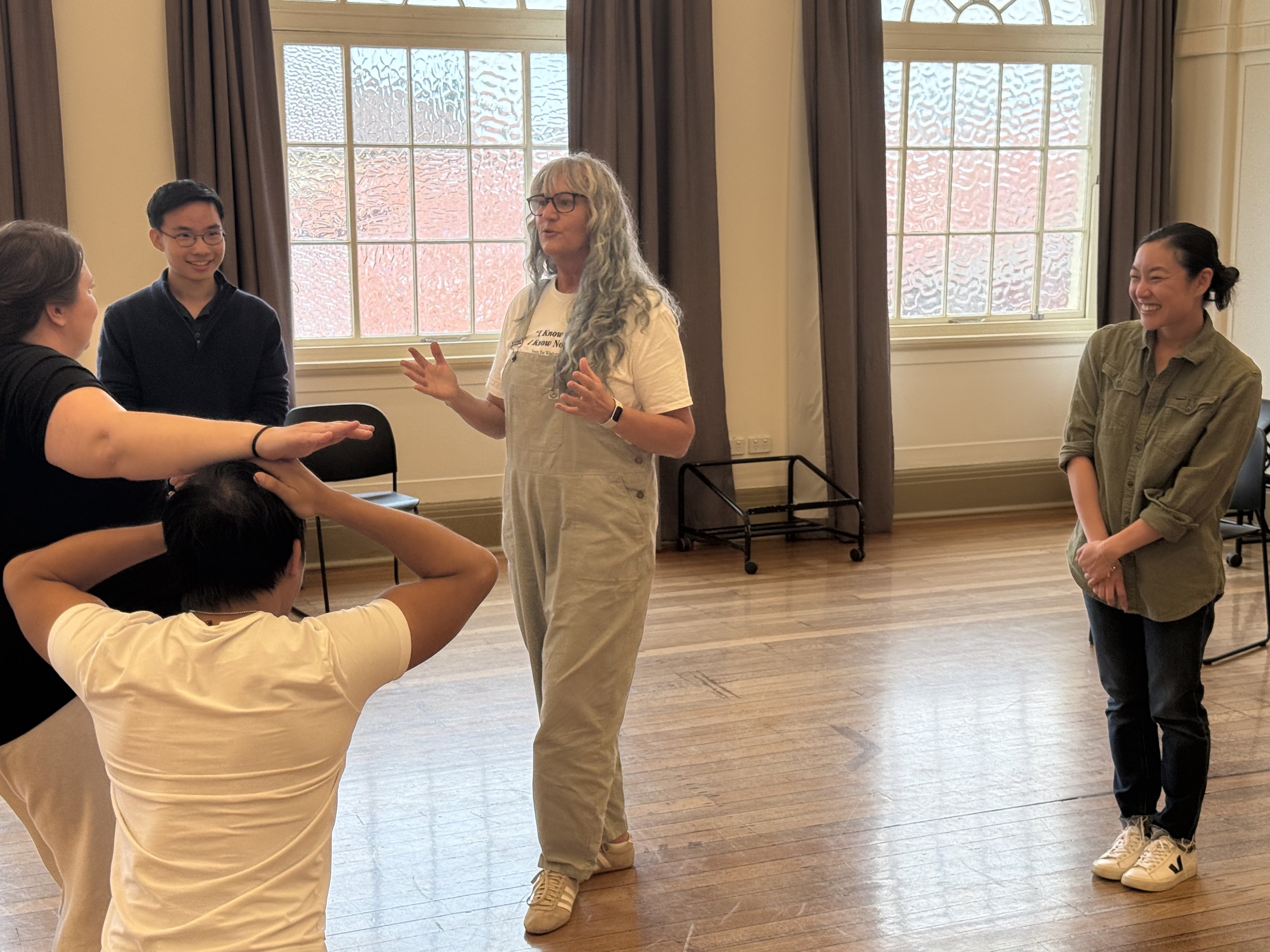
Paulette and Kate had a sense that a different approach might be needed to work with the messier, deeper human stuff. They realised that their ambassadors needed breathing space to experience the hesitation they feel out on the hospital floor, interrogate it, and strengthen and develop alternative responses.
With another program, Care to Lead, Paulette had tried roleplay exercises. Kate had a lot of experience working with coaching methodologies. They both had been reading, testing, debriefing, and noticing what worked and what didn’t. They saw that more experiential approaches had promise to help people do important work under pressure. They gave people a chance to explore the fear that they tended to steer away from out on the hospital floor:
“I started playing around with kind of experiential stuff — I asked them to roleplay different scenarios in small groups. I got them to embody those roles. What do they sound like? Look like? Initially they groaned, they didn’t enjoy it, and there was some fear. But then I felt the energy shift in the room. It was definitely better than me sitting and playing eight hours of videos to them!”
This was a crack in the window that provided a fresh breeze, but they had a sense that there was more that could be done.
A kitchen conversation
Paulette and Kate were discussing this facilitation challenge in the kitchen. A colleague who I had worked with before, Rich Weatherill, suggested Paulette and Kate speak to me. They were ready to try something a little bit different, and to embrace the risk and discomfort that they were asking from their ambassadors.
Paulette and Kate had done the work, and they had a pitch-perfect diagnosis. They found the root of the problem:
“We needed an approach that got people comfortable with facilitating conversations and managing different perspectives across multidisciplinary dynamics — hierarchies of intellect and different comfort levels. This is about the human stuff, not the clinical stuff.”
They brought me in to run a workshop. They knew they needed someone who had a different approach but still had academic rigour, warmth, and could bring some fun. My approach looks unusual from the outside, but it’s based on contemporary cognitive science. We aren’t machines. We learn through experience, practice, play and reflection.
My goal was to build a psychologically safe environment in which we could explore the fear of getting it wrong, speaking up, and working as equals. If we wanted a different culture in the hospital, we needed a different culture in the training room first.
An unboring approach
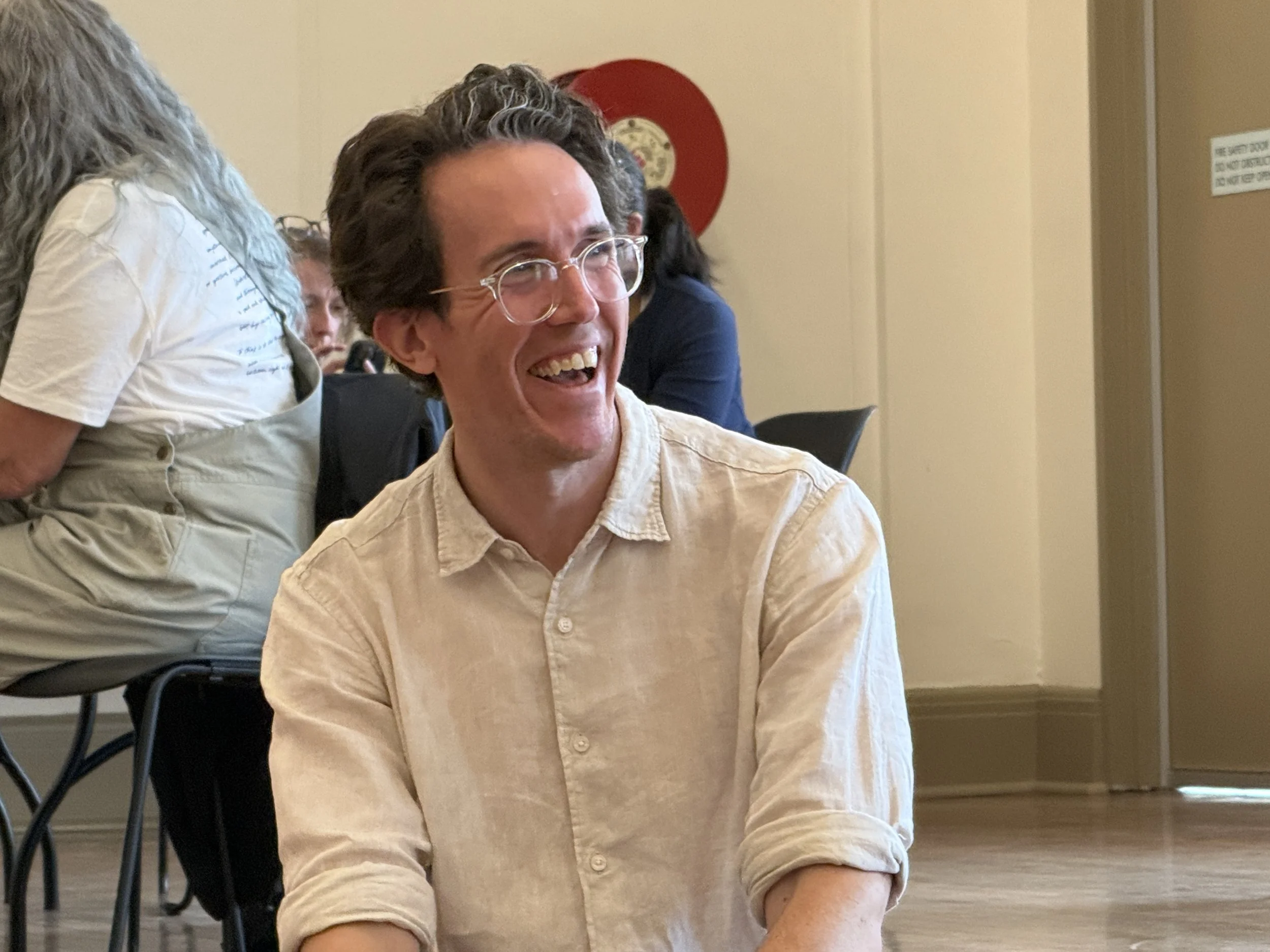
My workshop was delivered as part of the broader Human Factors training. People’s immediate reactions were mixed. However, as Paulette describes, the room changed quickly:
“The workshop was very profound for me because getting engagement is normally so hard. I’m so used to sitting in the room and having to work really hard to get people chatting and talking. However, you engineered that so quickly in the room. You got them laughing and that had a huge impact on the rest of the [Human Factors] sessions.”
One participant exemplified this arc. She initially said she was “really frightened,” and “hated this kind of thing.” However, fear was what we were there to explore, and so she took the risk of volunteering for an exercise. By the end of the workshop, she was laughing and her colleagues “saw a side of her they had never seen before.”
Stronger connections, better retention
The experience had significant impacts on the cohort as a whole. The lessons learned from the first cohort helped the second cohort to “take off” with significantly better retention despite increased clinical pressures. Active, ongoing ambassador communities continue at both the Peel and Rockingham campuses.
The key difference was the shift from didactic teaching to facilitation that actively worked with connection, psychological safety, discomfort and fear. Didactic teaching was moved online, and in-person events were used for practical, experiential learning. System-level support from departments and directorates also helped the ambassadors to feel valued and embedded.
This isn’t a shift that can come from a half-day workshop. It comes from a different design approach, a willingness to take a risk, and systemic support.
A New Perspective on Culture
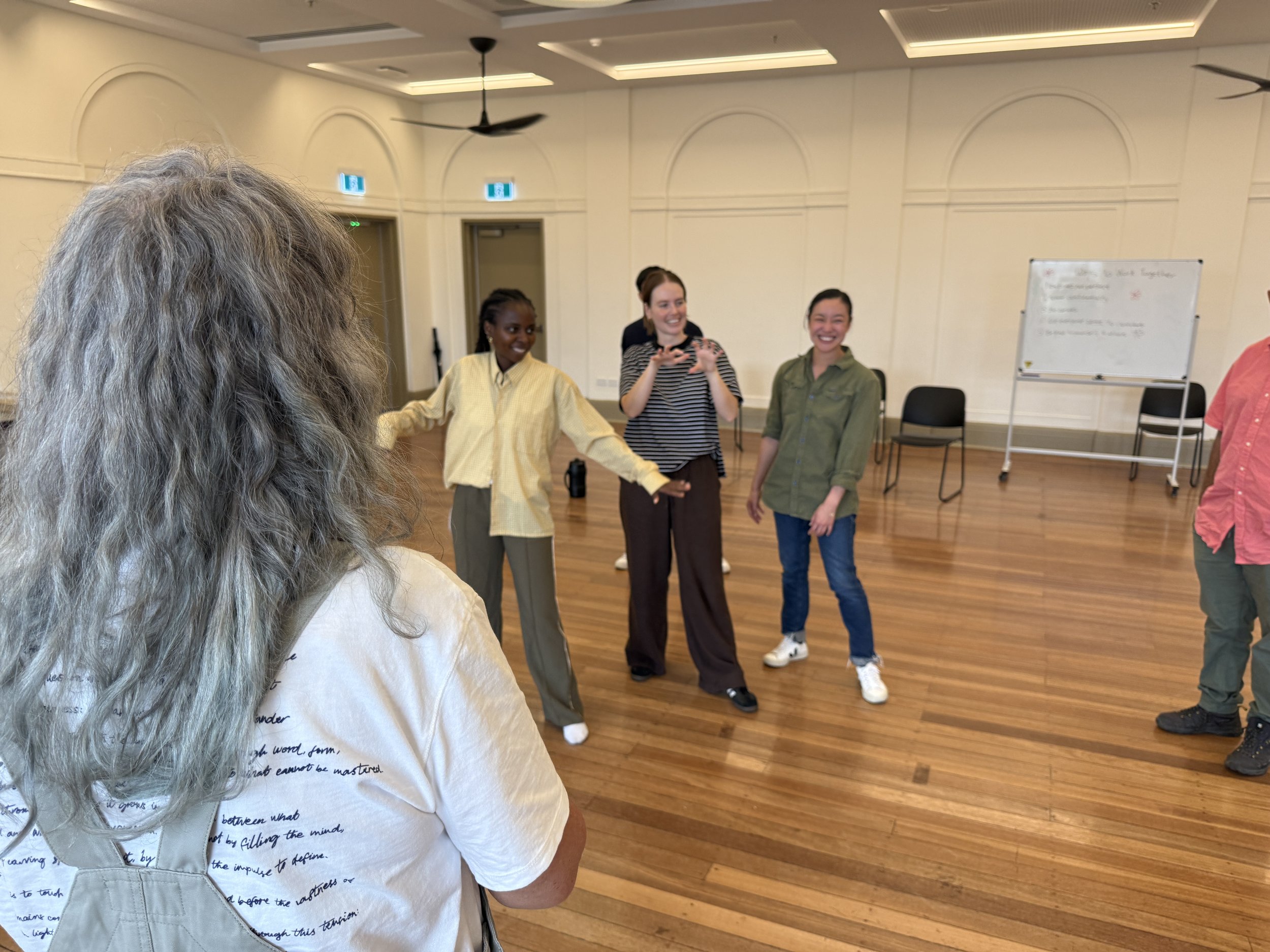
The biggest impact of the workshop has been on Paulette and how she thinks about culture change, leadership, and organisational development:
“The workshop made me want to understand the science behind it, the theory. Why is this so effective? I’ve been in the didactic role, and I just don’t see the same behaviour shifts I saw with our experiential work. So now I want to get more confident in this approach. I’m on a mission.”
The experience led Paulette to join me in Sydney for a four-day facilitation intensive around experiential, play-based approaches to behaviour change. She’s thinking bigger now. We only delivered one workshop with one team. However, Paulette recognised that the culture we experienced in the room is the culture we need throughout healthcare. It’s the kind of culture we see in modern, leading-edge organisations like Buurtzorg in The Netherlands. The work has just begun.
“Everybody wants to see changes in healthcare. Everyone has positive intent. However, something stops people from making change. But I’ve seen it now, that it can be done, and I experienced it in our workshop. So, I believe this change is possible. It will take a long time. You and I are only a year in.”
Alignment in ambiguity with an award-winning startup
Lorem ipsum dolor sit amet, consectetur adipiscing elit, sed do eiusmod tempor incididunt ut labore et dolore magna aliqua.
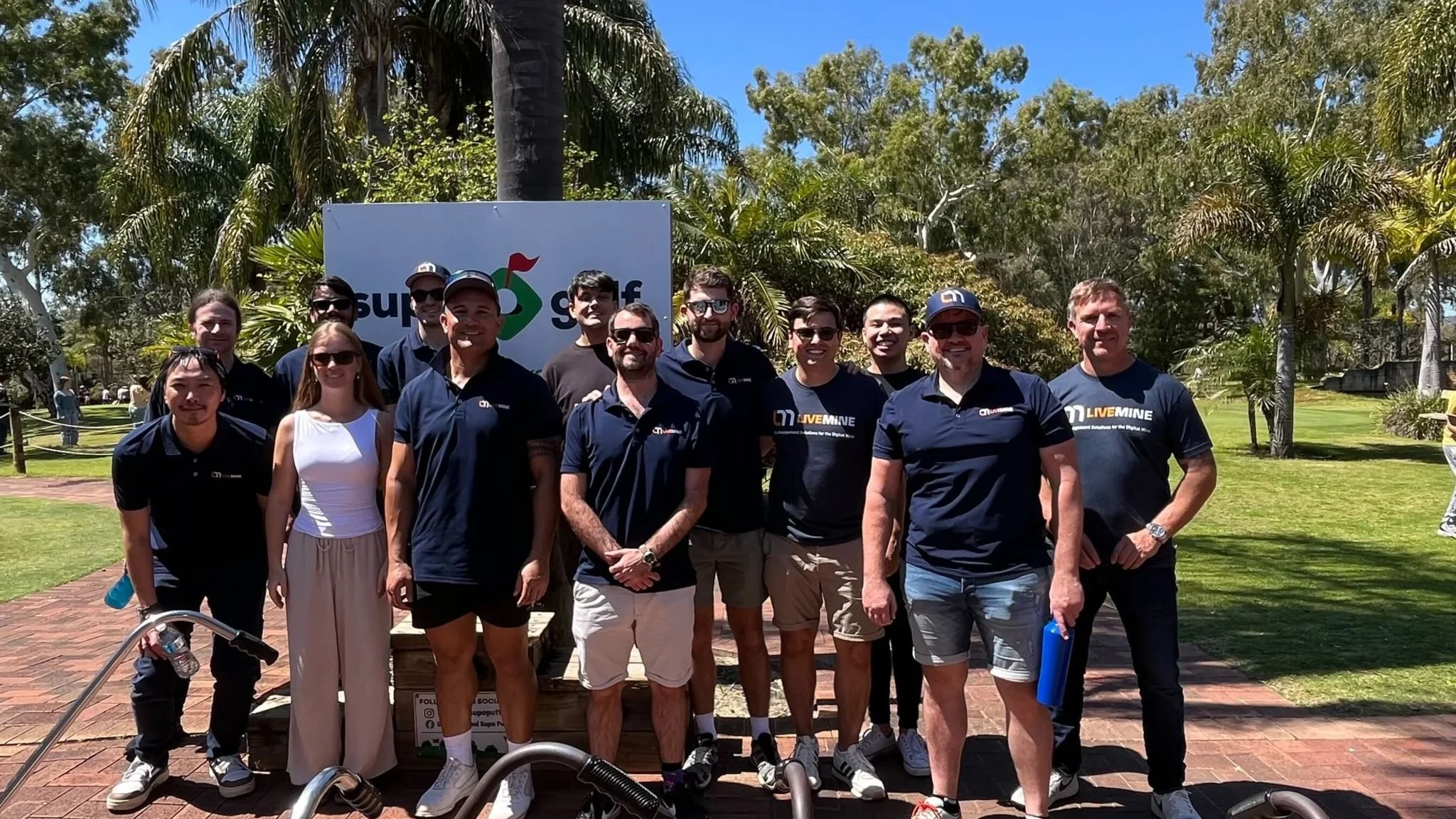
LiveMine is a super cool Perth-based startup which develops software to help mining companies manage their data. General Manager Suren Selvarajah shows how a leaders’ comfort with ambiguity can impact a whole organisation. 2025 was LiveMine’s most profitable year ever and it won Small Business of the Year at the WA Business Awards.
Suren Selvarajah was the first hire for LiveMine, and, like any early growth startup, he was the jack-of-all-trades generalist — product development, on-site training, and sales. As the company grew, he transitioned from generalist to General Manager and found himself leading a cross-functional team of ex-mining employees and software engineers.
Developing a culture that could hold this complex work has been his focus for the past few years. He’s drawn on some unusual sources of inspiration in that work – Esports, Applied Improvisation, and a great deal of self-reflection.
Solid foundations
Start-ups in Perth are rare. Whenever I come across a start-up, I find myself brimming with an odd kind of pride: “Interesting things happen here too!” Suren’s team felt the same — there was a clear passion for the work. He explains:
“Across the board, people were very passionate. People here don’t tend to look at this as a job. They are committed to the cause. They want others to succeed.”
This echoes something I see in my work all the time: The best way to get buy-in from intelligent people is giving them an interesting challenge and an environment where people have each other’s backs.
However, Suren saw that more was possible with his team. There was some friction across functions. The young, upstart software engineers had a different mindset to the process-orientated, risk-conscious mining engineers. This was causing delays, rework, and missed client expectations. Suren knew his team needed leadership.
Leading smart teams
As an early-stage start-up, LiveMine didn’t have cash to burn on complex team development programs. Suren recognised that if he wanted the team to develop, he had to start with how he showed up as a team leader. For smaller teams where the leader has a lot of autonomy, focusing on the leader is often a powerful lever.
Suren’s central challenge was culture. He wanted the team to feel connected to each other and the bigger picture:
“I found it hard to align people; to get them to map what they are doing in service of the mission. I found it hard to communicate this broader picture and how they fit in. At the same time, I’ve worked hard to get my fingers out of all the pies, and I need to be careful not to stick them back in.”
This is a classic smart-people management problem. If you’re too directive, you constrain autonomy and get pushback. If you’re too laid back, then people can lose sight of the work they need to do. Suren needed to learn how to lead in complexity and ambiguity while still keeping an eye on the mission.
Leadership in… gaming?!
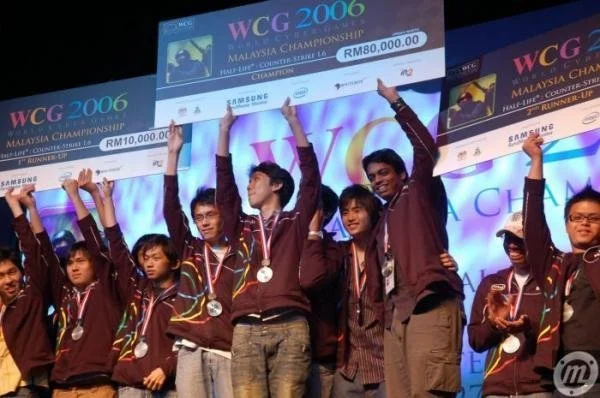
This wasn’t Suren’s first experience being a part of a team dealing with complex, volatile situations. In the past, he was part of a competitive online video gaming team Team Hybrid. If you’re old (hah!) and you’re a fan of Counter-Strike you’ve probably heard of Team Hybrid. This was serious business: Suren’s team flew around the world to compete in Counter-Strike tournaments. They had a professional coach. They competed for real money and played for thousands of fans.
Team Hybrid provided a model for high-performance that he wanted to emulate at LiveMine:
“We were all aligned on the same goal, put in the reps, and went through a lot of failure before seeing any success. We had to get comfortable calling each other out and fixing things together when something wasn’t good enough but doing it in a way that kept the relationship intact.”
Well, signing your C-suite up for a competitive Esports tournament might not be the most practical way to build their ability to lead in complexity. However, Suren’s experience highlights that leaders can learn a lot from play-based, experiential learning. What he needed next was to be able to integrate his insights from Esports into how he turned up at work.
Finding applied improvisation
Suren and I met at an Applied Improvisation program I ran in 2023. Applied Improvisation uses play-based experiential learning to help people develop the skills and mindsets needed to navigate complex, uncertain situations with other people. Unlike Esports, Applied Improvisation is designed to teach leadership.
However, when Suren started with improv, he wasn’t even thinking about work. He came along because he wanted to be more mindful and present in his personal life:
“I remember my judgmental brain saying: ‘Oh, this is kind of silly.’ I think I had forgotten how to play, and I was trying to do things the “right” way. Eventually, I decided to just go with it.”
Suren’s a really self-aware guy, which is one of the reasons he’s so fab to work with. Resistance to something new and challenging is normal, but Suren was able to recognise it as an opportunity for growth.
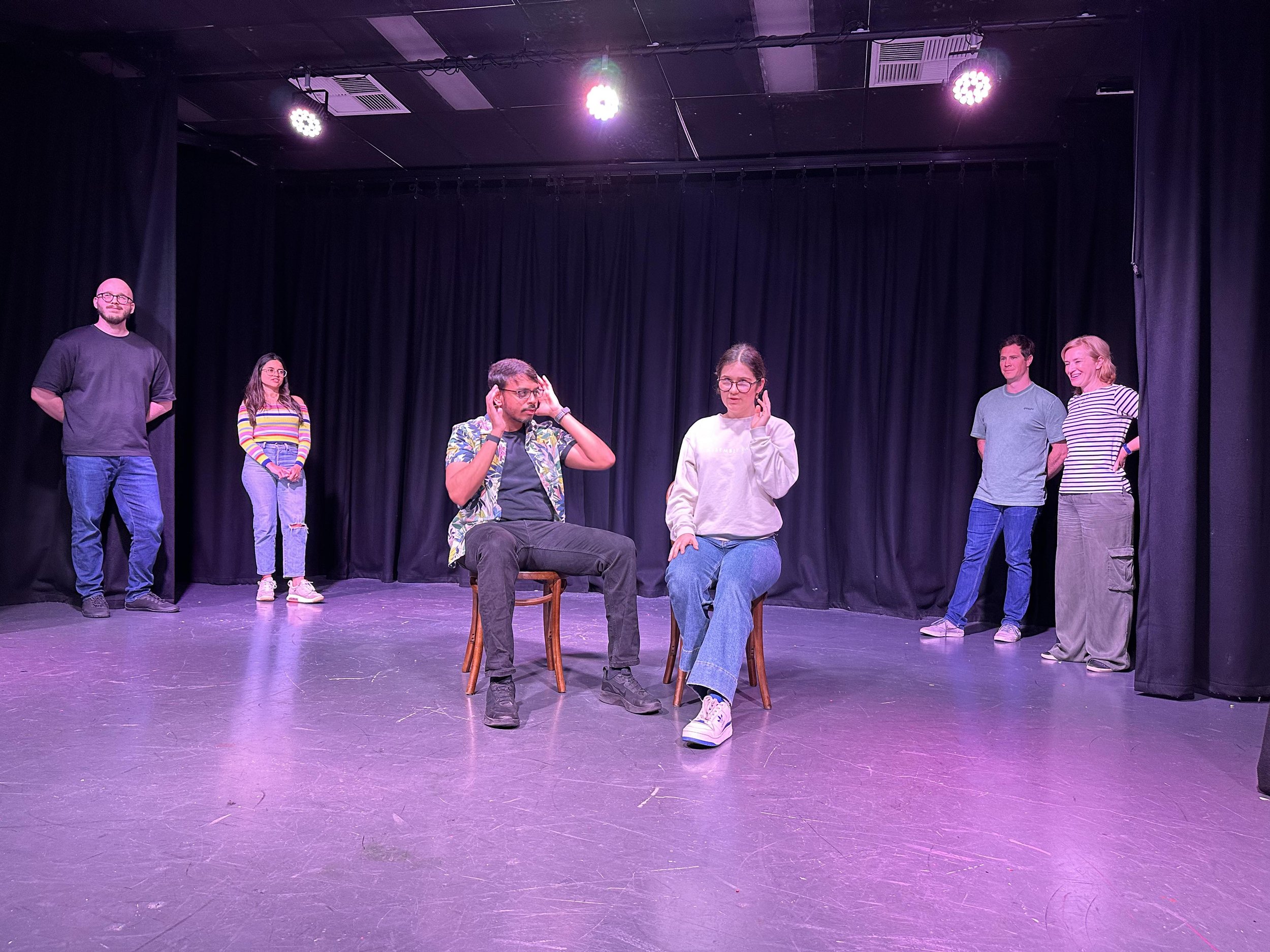
Working together
Suren & I worked together over about a year with my Applied Improv company, Only the Human. Leaders today need more than frameworks and theories. They also need environments where they can be challenged and put skills into practice. With the right coaching, guidance, and support, leaders can change how they show up at work.
Applied Improvisation had a huge impact on Suren’s ability to embrace the unknown:
“It’s like a cold plunge. You build that skill of just stepping into the unknown and just being fine with it. I would say to myself: ‘This is normal. This is normal.”
The experience also changed how Suren relates to others. He’s was self-aware before studying Applied Improvisation. In class, I could see that when we spoke he would constantly step back and articulate his thought processes. What Applied Improvisation provided was a novel context to explore and unpack those thought processes in a social environment:
“I remember in one exercise, my first instinct was to shut my partner down and make things sensible. I noticed that my brain defaulted to wanting things to be ‘logical’ or ‘correct’ — and then I started noticing I do that all the time!”
Esports are about winning and finding the right strategy. The real world is more complex and experimental. Unpacking this with Suren was intensive work — he attended three eight-week courses in his first year with me. The impacts were significant:
“It changed my life. I’ve learned to trust myself and other people. I’ve learned there is absolutely nothing wrong with making it up as you go.”
Heck yeah. So, let’s see: What changed for LiveMine?

Change from the inside out
Suren knew he wanted to do things differently with his team. By becoming more comfortable with ambiguity, his team started to show up differently too.
“I’d updated my operating system to be more comfortable with the unknown. This has helped me trust the team, and so they’re able to be a lot more autonomous now. It’s not easy, and of course there are still problems they have to surface… but we trust that we can figure it out.”
There have been real practical impacts too. LiveMine now interviews more effectively for culture fit. Suren uses roleplays, simulations, and semi-structured interviews rather than scripted questions or psychometrics. They’ve recently launched a whole new product in a whole new niche. 2025 was their most profitable year yet, and they won the Small Business of the Year at the WA Business Awards.
Suren’s ability to tolerate ambiguity and trust his team enabled LiveMine to accomplish a crazy amount in 2025 — all without Suren sticking his fingers in all the pies.
“So, I feel confident now, right? I’m confident I could go away for a whole month unannounced and things would run fine. Nothing would catch on fire. And the things that are important will surface and I’ll come back and deal with them. That is huge.”