
Case Studies
Three leaders in the scientific, clinical and technical industries share their stories of mucking about, getting it wrong, and (eventually) finding the joy and courage on the other side of taking a risk.
-
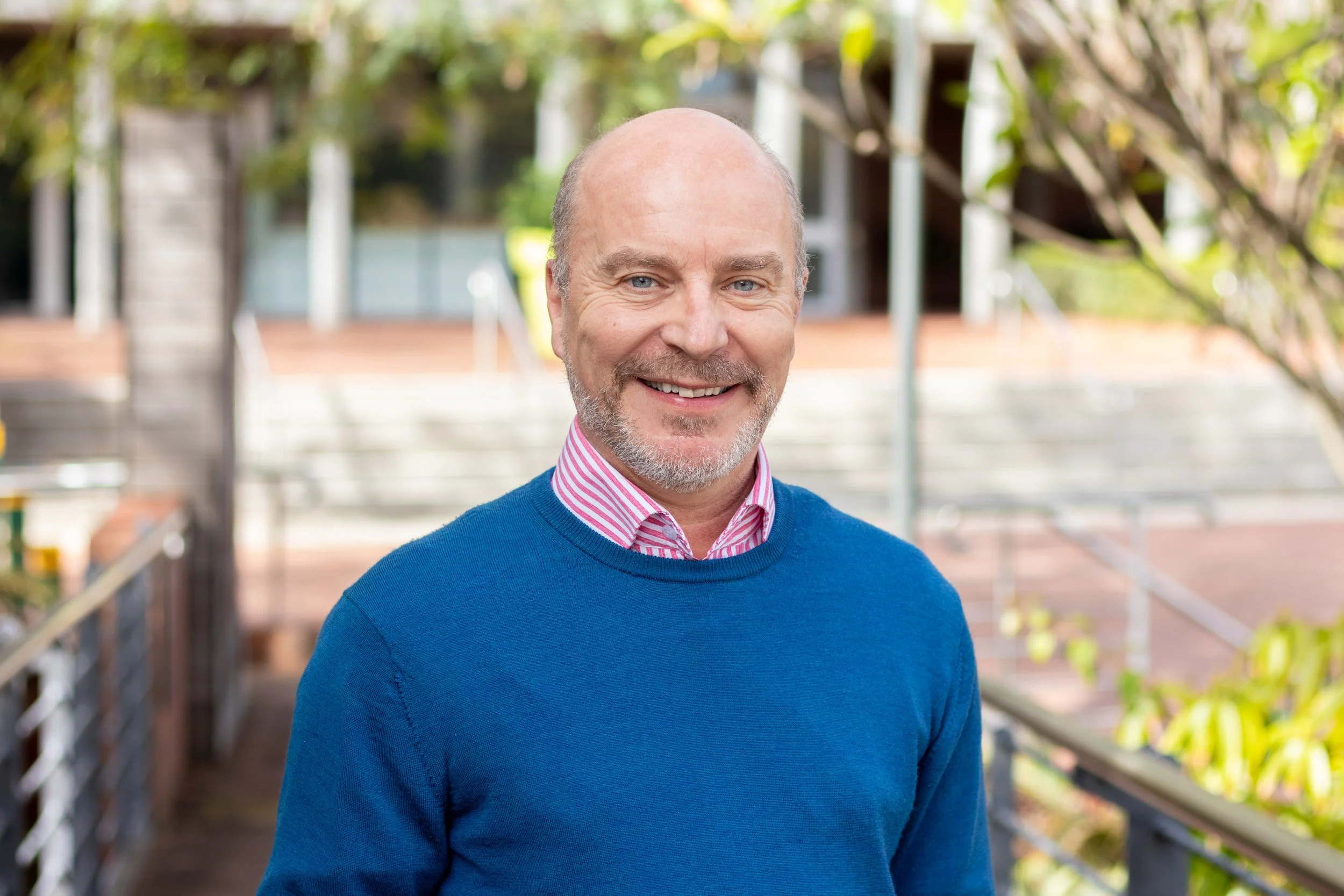
Collaboration in Higher Ed
Dr. Alan McAlpine led a team at Curtin University that most of us would love to lead. However, good enough wasn’t good enough. He shares how a clear vision and a restructure (a successful one, I promise!) created the grounds for a more daring, collaborative approach to leadership development.
-

Leadership in Mining Tech
Suren Selvarajah had tried boilerplate leadership coaching to help him step into his role as General Manager of an award-winning tech startup. However, he found the best leadership lessons in the most unusual places: Competitive online gaming and applied improvisation.
-
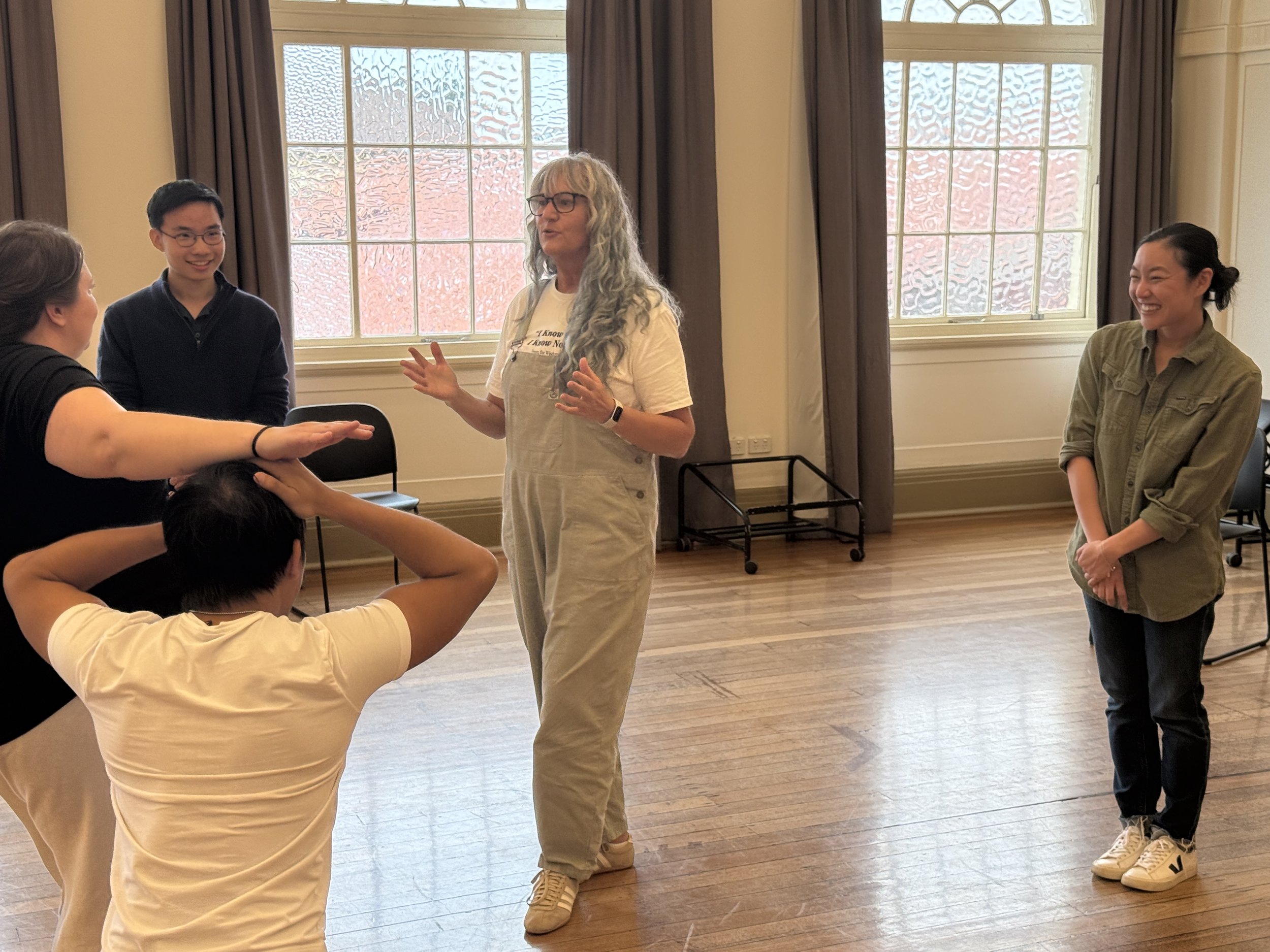
Culture in Healthcare
Paulette Harraway has been developing leaders in healthcare for decades. However, she realised that no amount of training gave people the courage to change culture. She needed tools and techniques that helped her work a little more intimately with fear, vulnerability, and courage.
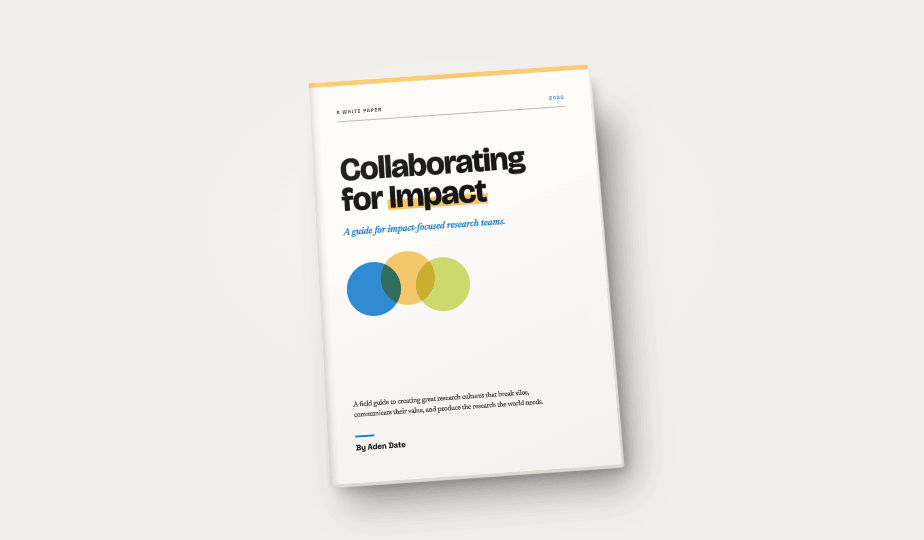
Collaboration for Impact
A FIELD GUIDE FOR RESEARCH TEAMS LOOKING TO make an impact (and have fun doing it).
Want hard copies for your institution or conference? Drop me an email at aden@adendate.com and I’ll see what we can do.
The long-term relevance of research institutions depends on their ability to produce real-world impacts, and to ensure those impacts are communicated, understood and valued.
I get it — it’s tough when the metrics and incentives we have make it difficult to prioritise impact. It’s not clearly there in the 40/40/20. Research leaders value impact, but find it difficult to value materially.
This field guide shows you how you can start making an impact now without waiting for major institutional or policy change. Oh, and you’ll build a great research culture in the process — one that retains early-career researchers, reduces turnover, and boosts wellbeing.
SMART teams quiz
A free quiz that’ll help you assess the creative might of your team. It takes 5 mins.
Play is the secret weapon of great leadership
◉
Play is the secret weapon of great leadership ◉
In this conversation, Tracy Fryer and I unpack what most leaders miss when they treat play as the opposite of productivity, why intelligence itself can become the thing keeping smart people stuck, and what it actually costs an organisation when its people stop being curious. We discuss:
The Drucker creativity study and what five-year-olds know that adults forget.
The real cost of burnout, turnover and disengaged teams.
Why Psychological Safety is the number one predictor of team performance.
Why Netflix is the enemy of a well-lived life.
Deep tissue listening and what to actually hear when your team brings you an idea.
What Daoism understands about business that MBA programs miss.
On YouTube, Spotify, Apple, or anywhere you get your podcasts.
More on the science.
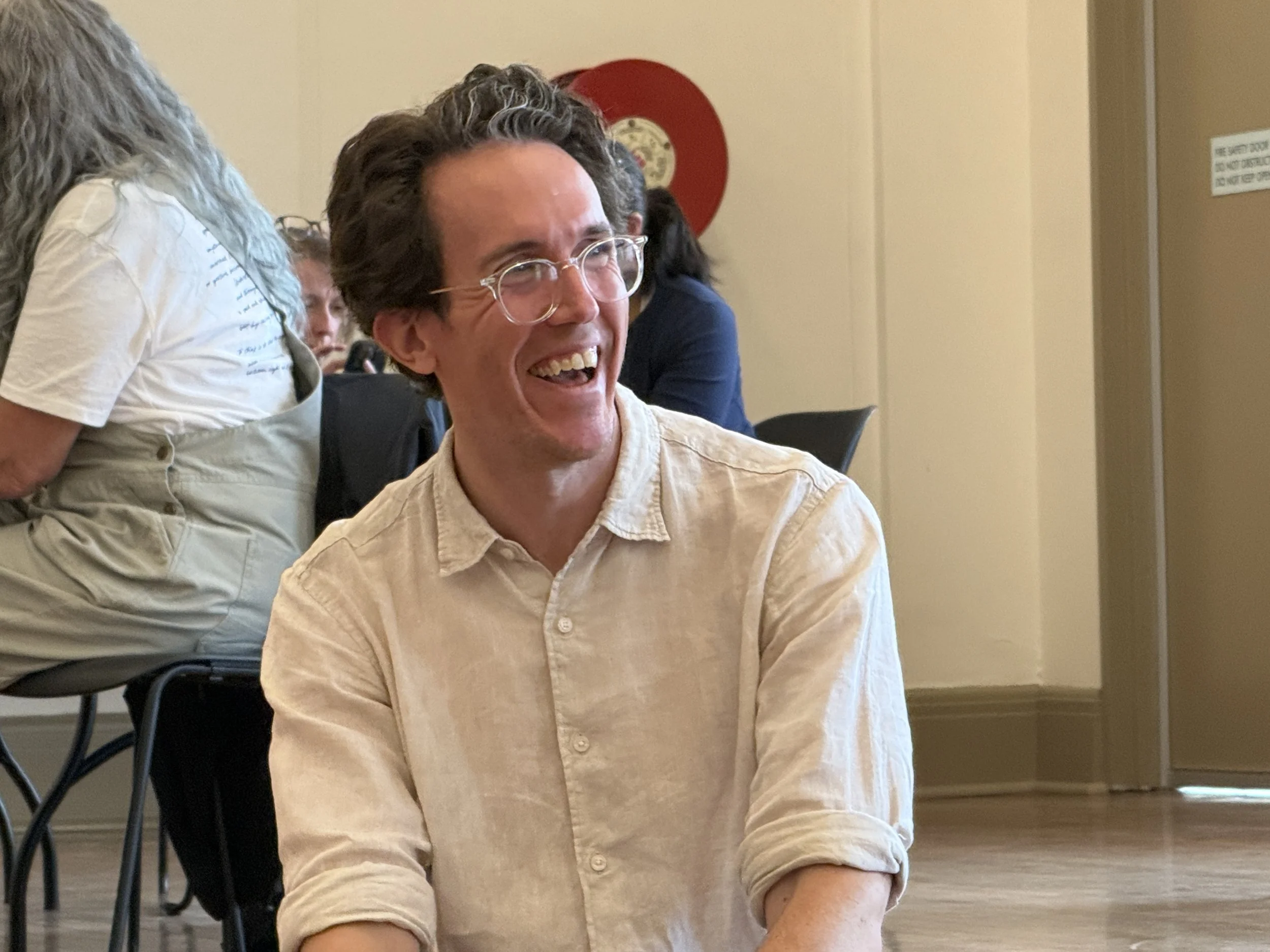
FIRST-PERSON SCIENCE
My approach draws on ‘embodied’ and ‘enactivist’ cognition. This approach recognises that action, perception, embodiment, and thinking are closely linked. We learn through playing, observing, and reflecting — not just listening and talking. Leadership is about noticing how we show up, moment-to-moment.
The Chilean biologist Francisco Varela called for more “First-person methodologies,” in science. I think we need the same in leadership development. I shorthand this as “First-person Science.” My approach gets individuals and teams noticing how they think, act, and perceive so they can show up differently.
Further reading:
Inside-Out Leadership, Dr. Chris Mowles.
The Embodied Mind, Dr. Francisco Varela and colleagues.
psychological safety
When we want to surface, challenge, and unpack the operating system of our team, we can’t just talk about it. Team culture exists in what is unspoken, assumed, and taken for granted. Challenging these norms means creating the psychological safety to surface them, then designing interventions that help us question and shift those norms.
Psychological safety means feeling safe enough to take an interpersonal risk. My approaches works with this dynamic to make the invisible visible, and the unspeakable speakable. The result is a connected, accountable, and (actually) high-performing team.
Further reading:
The Fearless Organization, Dr. Amy Edmonson.
Immunity to Change, Dr. Robert Kegan and Dr. Lisa Lahey.
applied improvisation
Applied Improvisation is my not-so-secret weapon. I use the tools and techniques from improvised theatre to build psychological safety, encourage play and surface important conversations. The world needs us all to listen more deeply, adapt quicker, and notice and surface patterns — just like improvisation performers on stage.
I blend Applied Improvisation with other facilitation techniques to bridge theory and practice.
Further reading:
Training to Imagine, Kat Koppett.
Applied Improvisation: Leading, Collaborating, and Creating Beyond the Theatre, Caitlin McClure
Utterly, utterly convinced yet?
Training for Teams
If you want a different outcome, you have to be prepared to do things differently. Unboring your team development and discover the collective intelligence that already exists in your team.
